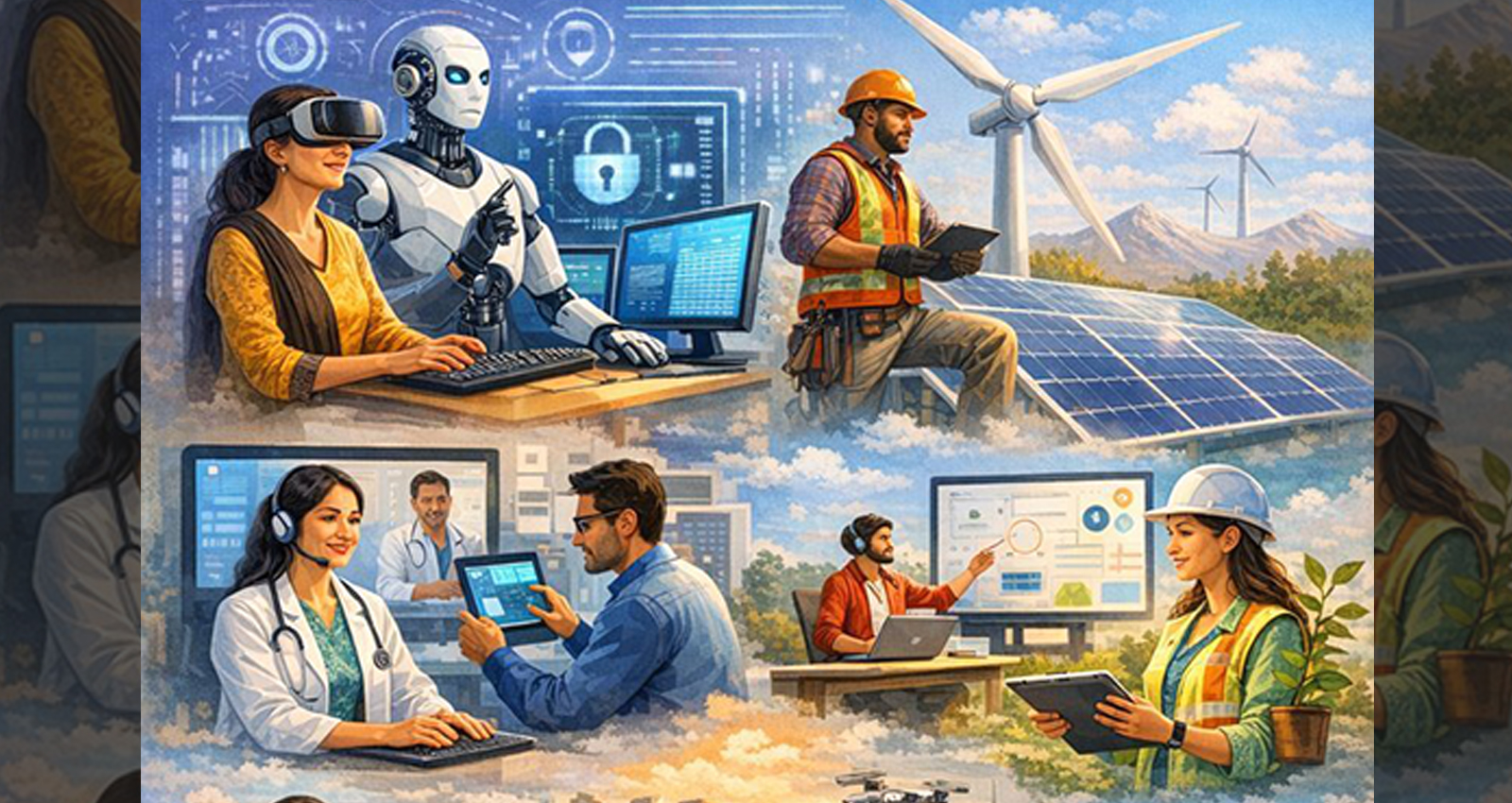
The world of work is changing faster than ever before. Advances in technology, global challenges such as climate change, and shifting social needs are transforming how people live and work. As a result, many future jobs will look very different from those of today. While some traditional careers may decline, new opportunities will emerge that focus on innovation, problem-solving, and adaptability.
One of the biggest influences on future jobs is technology. Artificial intelligence, robotics, and automation are already taking over repetitive tasks in factories, offices, and even service industries. In the future, jobs that involve creativity, critical thinking, and emotional intelligence will become more valuable. Careers such as AI specialists, robotics technicians, and cybersecurity analysts will continue to grow, as societies depend more on digital systems for communication, transportation, and security.
Healthcare will also be a major source of future employment. As populations grow and people live longer, there will be increased demand for doctors, nurses, mental health professionals, and caregivers. New roles, such as telemedicine coordinators and health data analysts, will combine medical knowledge with technology. These jobs will focus not only on treating illness but also on prevention and overall well-being.
Environmental concerns will shape another important group of future jobs. Climate change and resource shortages are pushing governments and companies to invest in sustainable solutions. Careers in renewable energy, such as solar and wind technicians, environmental engineers, and sustainability consultants, will become more common. These jobs will play a key role in protecting the planet while supporting economic growth.
Education and learning will also evolve. Future educators may work as online instructors, curriculum designers, or learning experience developers who create interactive digital lessons. Lifelong learning will become essential, meaning jobs that help people reskill and adapt to new industries will be in high demand.
In addition, future jobs will place greater importance on flexibility and remote work. Many people will work across countries and time zones, collaborating through digital platforms. This will create opportunities for global freelancers, virtual project managers, and digital entrepreneurs.
In conclusion, future jobs will be shaped by technology, health needs, environmental responsibility, and continuous learning. Success in the future workforce will depend less on memorizing information and more on adaptability, creativity, and a willingness to learn. While the future may be uncertain, it also offers exciting possibilities for those prepared to grow with change.